

 Ziziphus grows naturally in Asian countries. This crop is highly drought-resistant and low-maintenance. Due to its sweet fruits and high yields, the Chinese date quickly spread to the Americas and the Mediterranean. In Japan, this crop is commonly called “unabi,” while in other countries it is known as “zhuzhuba.”
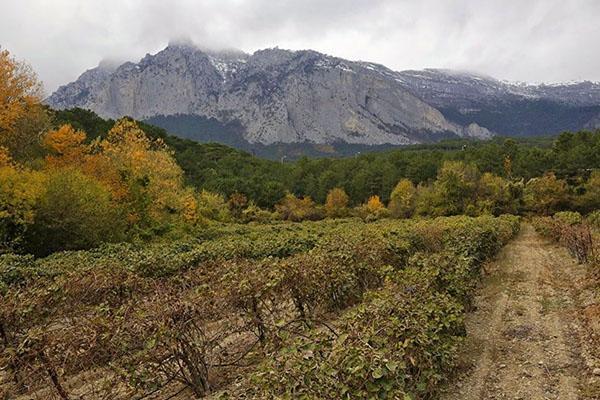
In 2016, an exotic tree plantation was established on the southern coast of Crimea, covering nearly 6 hectares. Growing and caring for ziziphus in Crimea presents no particular difficulties, as the peninsula’s climatic conditions are perfectly suited to the growth and fruiting of Chinese dates.
Beneficial Properties of Ziziphus
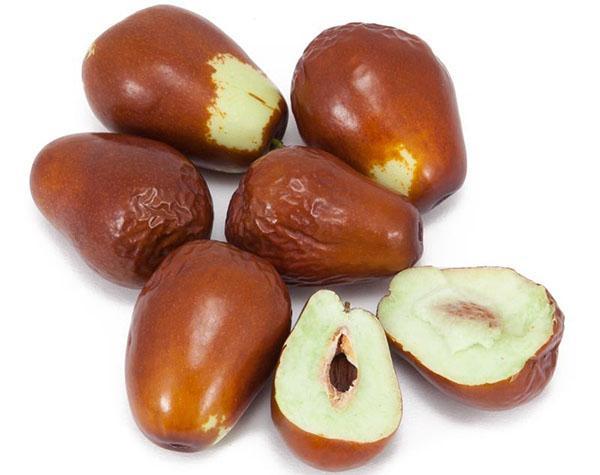 The plant belongs to the buckthorn family; its fruit is a brown or burgundy drupe. The shrub’s fruits resemble dates but are slightly smaller in size. The fruit pulp is yellow, and the pit resembles an almond in shape.
In CIS countries, the Chinese date is not very widespread. It is grown in certain suburban areas by owners who are fond of exotic plants. Therefore, few gardeners know what ziziphus is. It is a very useful plant whose fruits are widely used in treating many diseases.
The birthplace of jujube is China, where the fruits of this crop are used in folk medicine. The beneficial properties of the fruit were noticed in ancient times.
The Chinese date is called the “breast berry” because it treats lung and heart diseases.
In Yalta sanatoriums, hypertension is successfully treated with Chinese date fruits. Unabi fruits contain large amounts of magnesium and potassium, so their consumption has a positive effect on the heart muscle.
Daily consumption of 200-300 g of ziziphus for three months relieves heart and headache symptoms and also lowers blood cholesterol.
Advantages of Ziziphus for Gardeners
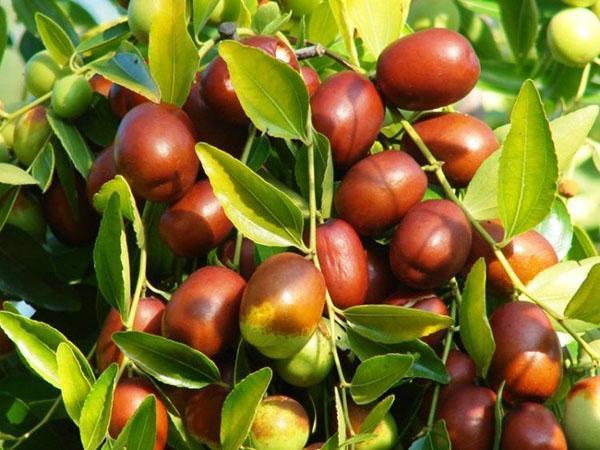
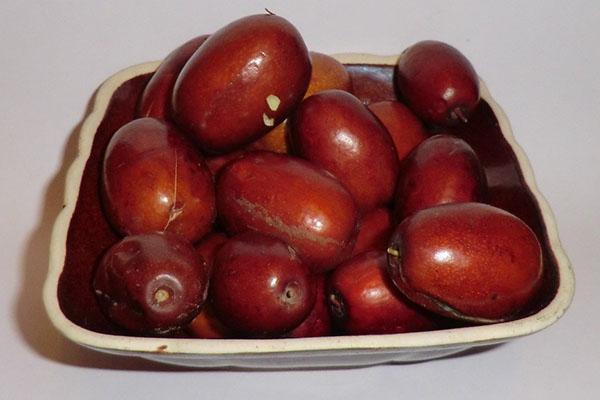 Gardeners grow Chinese dates because of their high yields. A mature bush produces up to 300,000 flower buds. Even with poor pollination, a three-year-old shrub yields up to 15 kg of berries. If you plant several bushes on your property, the yield will increase several times due to cross-pollination. A mature ziziphus bears up to 50 kg of fruit.
The Chinese date’s root system extends up to 3 m into the soil, so the plant can go without watering for long periods. The bush receives all necessary moisture from the ground. Among the advantages of unabi are:
- high immunity to viral and fungal diseases;
- ability to absorb nutrients even from poor soils;
- the jujuba bush releases large amounts of phytoncides.
 Planting and growing ziziphus are not different from most garden plants. The main condition for rooting and survival of a seedling is finding a suitable location for this crop.
It is important to remember that although the ziziphus bush is unpretentious about soil composition, the plant responds well to feeding. You can plant a seedling in fertile sandy loam soil; the plant roots well in aerated crushed stone soils.
Ziziphus Planting Location
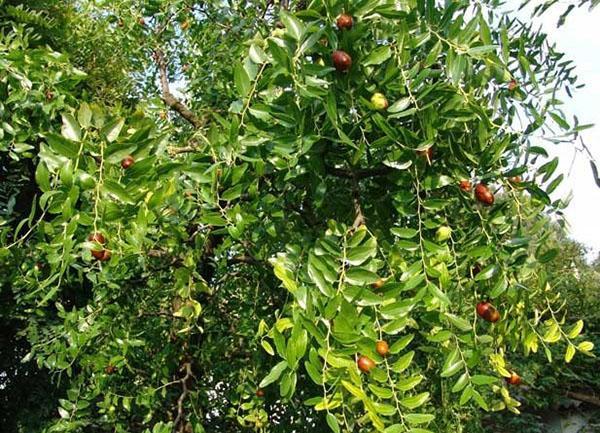 Ziziphus is a light-loving plant, so you should choose a sunny spot for planting. Even with slight shading, the plant’s yield drops considerably.
The shrub’s root system is highly developed. In the first year after planting a seedling or grafted plant in open ground, the growth of the above-ground portion slows considerably. Ziziphus unabi spends all nutrients on developing its root system. Adventitious roots spread up to 7 m around the bush.
Due to the developed central root, jujube cannot be planted in marshy areas or where groundwater is close to the soil surface. The bush’s root system rots with stagnant water.
The above-ground portion of the plant begins intensive development in the second year after planting. In fertile soil, the bush will flower in June of the same year, but fruits will only form in the third year.
Planting Unabi in Open Ground
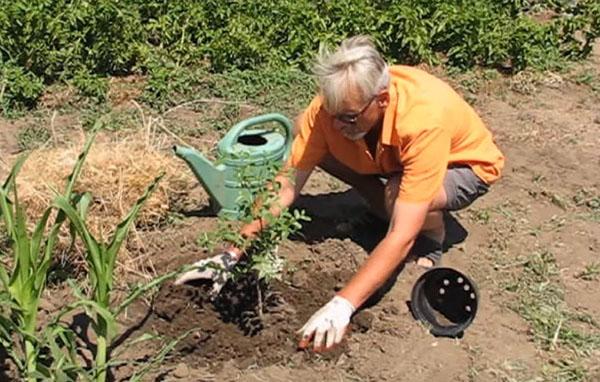 Planting and growing ziziphus do not differ from planting ordinary fruit crops. A planting hole is dug for a seedling or a plant grafted onto wild rootstock. It is filled with a mixture of garden soil and leaf compost in equal proportions.
The Chinese date’s metabolism is very slow, so vegetative buds bloom during the May holidays. A plant with an open root system is planted in the soil in late May or early June.
When transplanting a seedling into open ground, the plant’s root collar is not buried. In this case, the jujube will produce a large amount of growth, which can be used to propagate this crop.
If you plant a grafted Ziziphus cultivar on wild rootstock on your property, don’t be afraid to bury the root collar. Unlike other fruit trees, this will not affect the Chinese date’s yield but will only bring benefits:
- By burying the grafted plant 40-50 cm deep, you will eliminate thorny wild growth.
- Jujube can withstand frosts down to -25°C. If the above-ground portion of the buried plant still freezes, the cultivated trunk located in the soil will not suffer and will produce new shoots. You can reform the crown from them.
- The cultivated stem of the plant will produce new adventitious roots. If shoots emerge from them, they will be of the cultivar variety and suitable for propagation.
After planting ziziphus unabi in open ground and its first flowering, you can begin forming the plant’s crown.
Pruning and Shaping the Chinese Date Crown
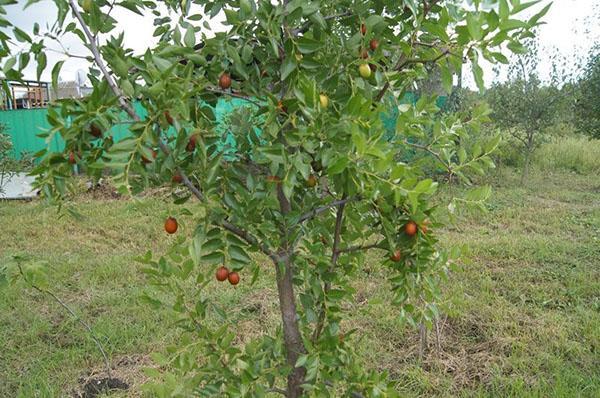 Ziziphus has a strong immune system, so the plant is not susceptible to fungal and viral diseases. Only formative pruning is performed: branches growing inside the crown are removed.
There are two ways to shape the plant’s crown: as a ziziphus tree or as a shrub. In the first case, all shoots from the main trunk are removed, leaving three to four skeletal branches at a height of 50 cm from the ground surface. In the second shaping method, the lower branches are not completely cut but only shortened, giving the bush a neat shape.